Cheerful Chimp Scene 2 Brain Teaser
Reviews
Description
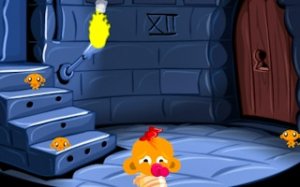
Core Objective and Scene Design
In this title, each stage presents a self-contained vignette filled with interactive elements. The primary goal is to locate specific items or perform actions in a sequence that leads to a cheerful outcome for the central character. Scenes are designed with bright colors and whimsical details, encouraging players to examine every corner without pressure. The puzzles are structured to feel like small discoveries rather than tests, making the experience inviting for all ages.
Interaction Mechanics
Players interact by tapping or clicking on objects within the scene. Some items may need to be combined, moved, or activated in a particular order. The game provides subtle visual cues—such as a slight glow or a change in color—to hint at the next step. This approach reduces guesswork and promotes careful observation. The controls are straightforward, requiring no complex gestures or reading, which makes the game accessible to young children and those new to digital puzzles.
Visual and Audio Atmosphere
The art style uses bold outlines and a warm palette, with each scene featuring a distinct theme like a garden, kitchen, or playground. Background music is light and repetitive, creating a calm backdrop. Sound effects are reserved for successful actions, providing a gentle reward without becoming distracting. The overall presentation aims to be soothing, reinforcing the game's focus on relaxed problem-solving.
Progression and Difficulty Curve
Challenges start with simple single-step tasks, such as tapping a visible object, and gradually introduce multi-step sequences. Later scenes may require remembering a short pattern or finding a key item hidden behind a movable object. The difficulty increases slowly, ensuring that players rarely feel stuck. If a player struggles, the game offers optional hints that highlight the next area of interest without giving away the full solution.
Replayability and Family Use
After completing a scene, players can revisit it to see the final animation again or to explore alternative interactions. The game does not include timers or scoring, so it can be played at any pace. This makes it suitable for shared play, where adults and children can take turns or discuss solutions together. The lack of failure states means that every action leads to progress, reducing frustration for younger players.




Comments
Sign in to comment
You must be logged in before posting a review or rating.
No account? Create one
No comments yet. Be the first to comment!